
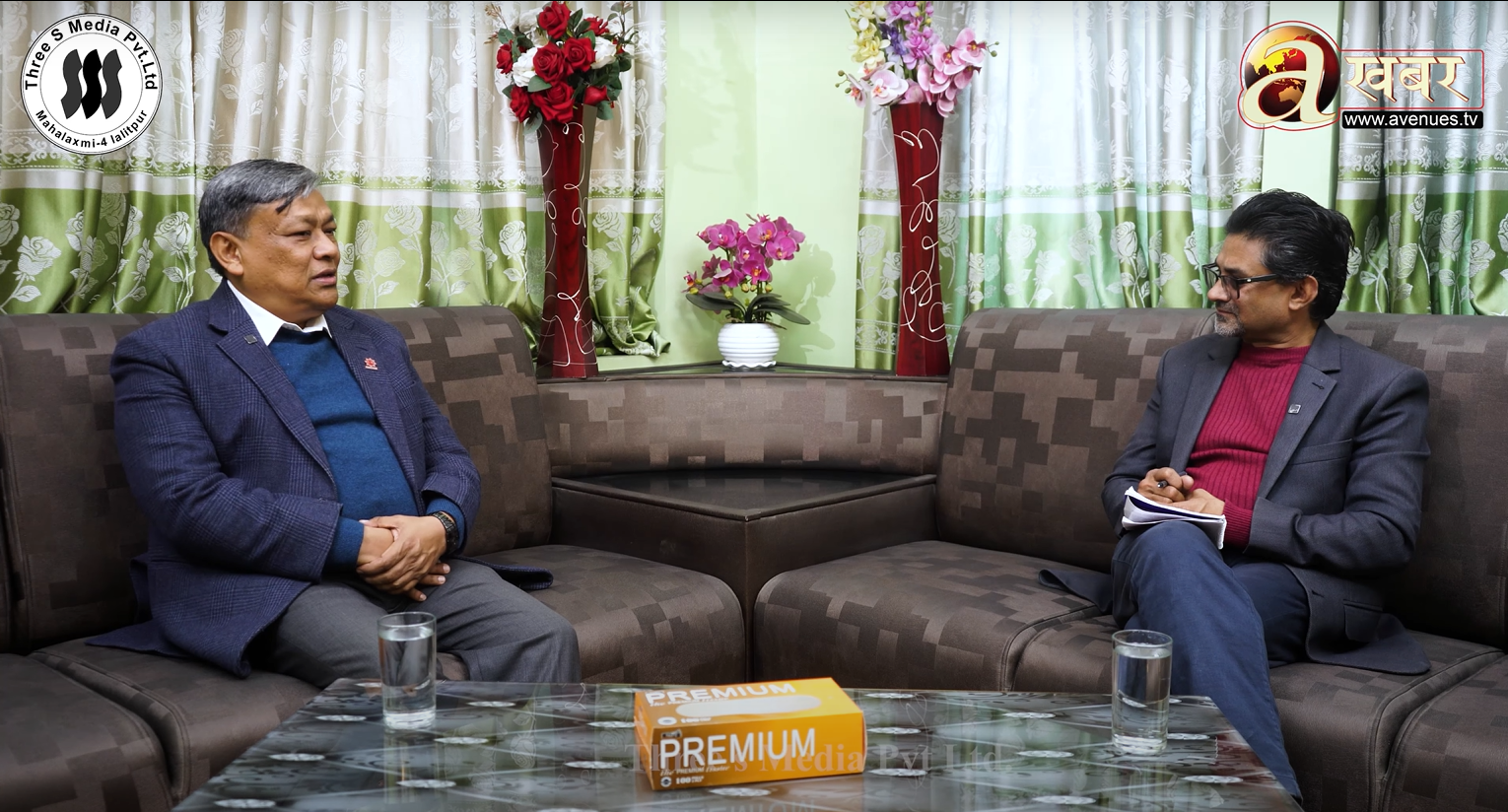
The Role of Politics in Nepal’s Development Journey
Nepal’s journey towards sustainable development has been marked by numerous challenges and milestones. While the nation strives to modernize its infrastructure and improve the quality of life for its citizens, political dynamics have played a critical role in shaping the trajectory of progress. In this article, we examine the intersection of politics and development in Nepal, exploring the hurdles and opportunities that define this complex relationship.
Stalled Initiatives and Policy Gaps
One of the significant impediments to Nepal’s development is the frequent stalling of infrastructure projects. Political instability and bureaucratic inefficiencies often lead to delays in project execution, leaving critical initiatives in limbo. For instance, large-scale projects aimed at improving transportation, energy, and communication have faced repeated interruptions due to policy inconsistencies and lack of political consensus.
The Shadow of Corruption
Corruption remains another pressing issue that undermines Nepal’s development efforts. Mismanagement of funds and lack of transparency in project implementation have eroded public trust and diverted resources away from essential projects. These practices not only hinder economic growth but also discourage foreign investment, which is crucial for a developing nation like Nepal.
The Role of FCAN and Other Organizations
Amid these challenges, organizations such as the Federation of Contractors’ Associations of Nepal (FCAN) have emerged as vital contributors to national development. FCAN has been instrumental in advocating for streamlined policies, promoting fair practices, and ensuring that infrastructure projects are completed efficiently. By fostering collaboration between the government and private sectors, these organizations play a pivotal role in driving progress.
Opportunities and Potential Solutions
Despite these struggles, Nepal has significant opportunities to overcome its challenges and build a brighter future. Strengthening political stability, implementing transparent governance practices, and fostering public-private partnerships are critical steps toward sustainable development. Moreover, empowering local communities and encouraging active citizen participation in decision-making processes can ensure that development initiatives align with the needs of the people.
A Vision for the Future
Nepal’s journey of development is a testament to the resilience and determination of its people. By addressing the systemic issues that hinder progress and leveraging the strengths of key stakeholders, the nation can pave the way for a prosperous future. It is imperative that political leaders prioritize the greater good over personal interests, ensuring that Nepal’s development narrative becomes one of hope, growth, and transformation.
Join us on this thought-provoking journey as we delve deeper into the dynamics of politics and development in Nepal. Check out this related discussion on our YouTube channel: Watch Now. Together, let’s explore the solutions that can drive the nation toward a brighter tomorrow.

